Mogadishu, April 24 (IANS) As many as 62,000 people have been displaced across five districts in Somalia since the beginning of the year, the International Organisation for Migration (IOM) said on Friday.
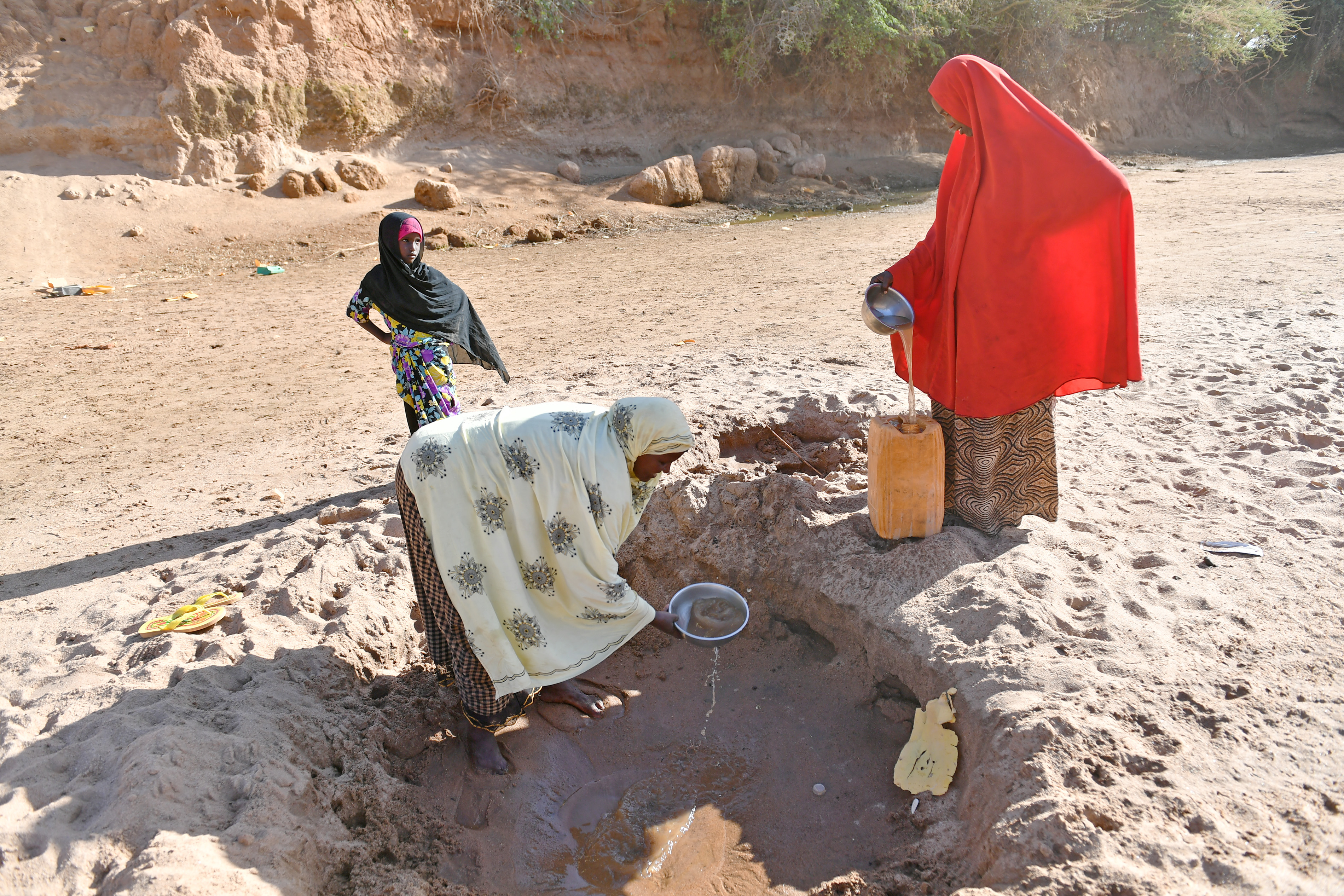
According to the latest data released by IOM, three out of every four new displacements are due to drought and a 22 per cent increase from last year, which highlights the increasing severity of climate shocks.
Chief of Mission for IOM Somalia, Manuel Pereira, said that “Drought is already forcing tens of thousands of people from their homes, and many more could be displaced in the months ahead.”
He added, “When water disappears, crops fail, and livelihoods collapse, displacement becomes a last resort. Without swift action, drought will continue to uproot communities, deepen hunger and increase vulnerability across Somalia, particularly for the most vulnerable.”
According to IOM’s Displacement Tracking Matrix (DTM), nearly 125,000 more people are projected to be displaced by drought in the second quarter of 2026, even if the Gu rainy season (April–June) brings normal to above-normal rainfall.
Thousands of people are leaving their homes in search of water, food and assistance as water sources have been depleted, agricultural production has severely reduced, and grazing conditions have deteriorated across parts of the country, highlighted the report from IOM.
IOM cited below-average rainfall during the 2025 Deyr season, compounded by an unusually harsh Jilaal dry period, for this surge in climate-driven displacement.
Concerns were raised by IOM, “that displacement pressures may intensify across already vulnerable regions as displaced households move toward towns and cities where they hope to access assistance or basic services.”
Many new families settle in underserved and informal areas where access to services and infrastructure is limited, as these urban centres are not capable of absorbing sudden population growth.
IOM is calling for urgent and sustained support to address the growing impacts. Life-saving support is being provided to newly displaced families by IOM and its partners, mentioned the report.